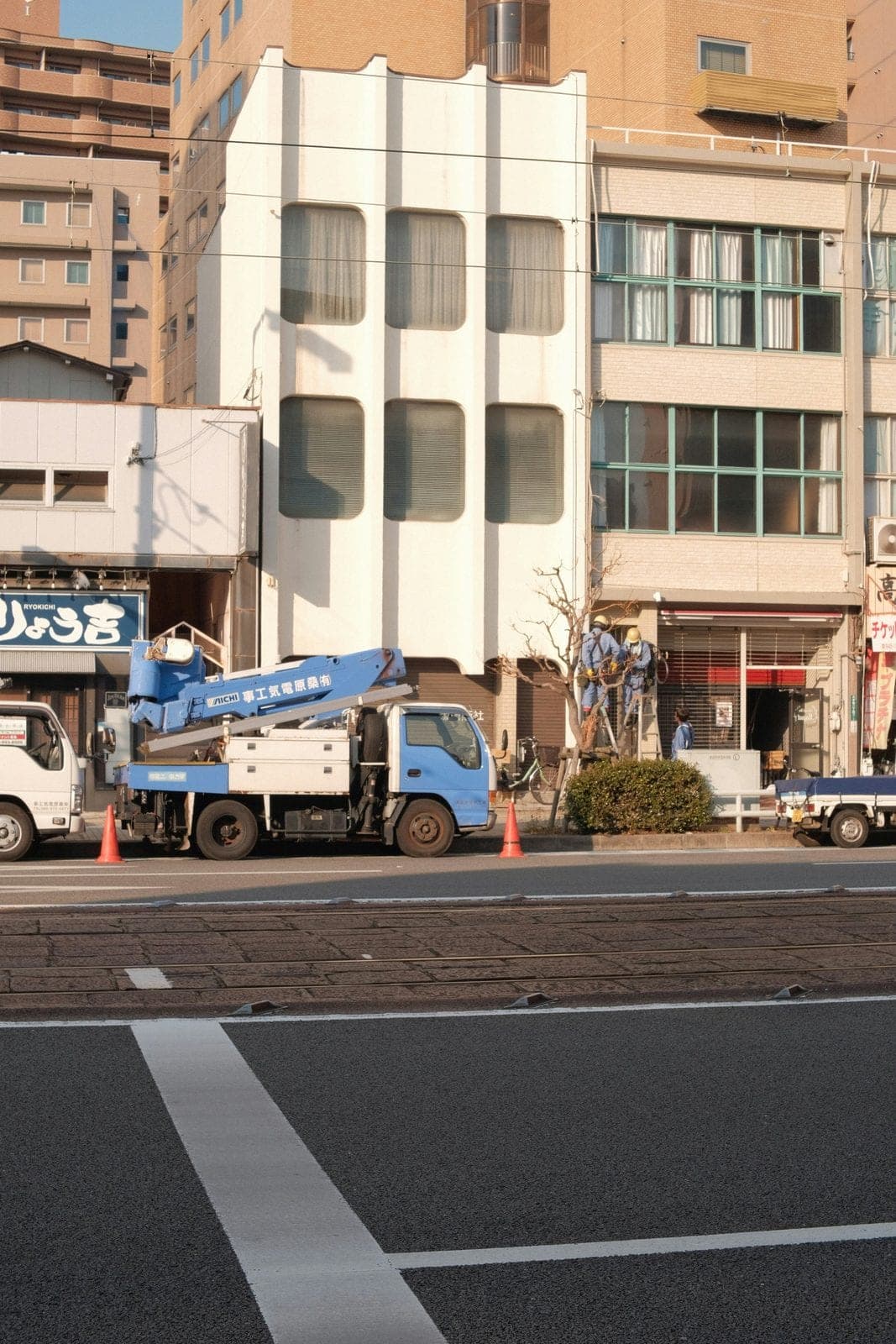
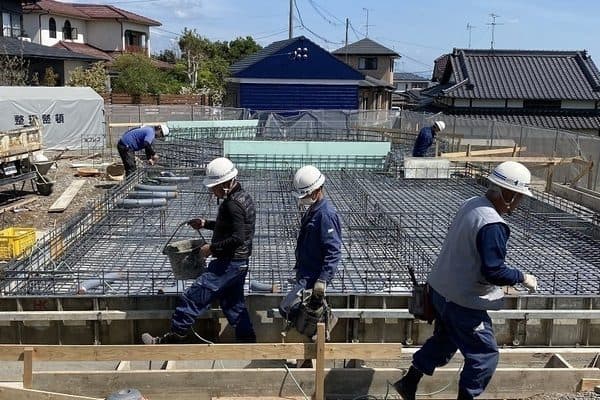
An SSW field in building and maintaining infrastructure such as roads, bridges, dams, clean water systems, and residential or commercial buildings. The sector matters because it supports Japan's development and its resilience against disasters.
Advantages of Our Civil Construction Program
Work in Japan without a bachelor's degree.
Work insurance (subject to company policy).
Dormitory or housing allowance (subject to company policy).
The chance to earn an annual bonus based on performance and company policy (subject to company policy).
Salary starting from ¥180,000 (depending on placement and subject to company policy).
Requirements for the Civil Construction Program
Ages 18–34 at registration. Applicants up to 38 are still accepted if the JLPT and SSW certificate requirements are already met.
At least a high school (SMA/SMK) graduate or equivalent.
Hold a JLPT N4
Hold an SSW Civil Construction certificate
Physically and mentally healthy (no infectious diseases or serious health conditions).
No criminal record.
Our Service
We partner with trusted construction companies that are officially registered and recognized by the Japanese government, so job placements are handled legally and safely.
You go through document screening and an initial interview with Nakamura Study Japan. Once you pass, you move on to an interview with our partner companies in Japan. Successful candidates receive a job offer letter before beginning preparatory training.
Our training covers:
Japanese language classes up to the JFT-Basic A2 or JLPT N4 level.
Skills preparation for the official SSW civil construction exam: basic safety, material handling, reading technical drawings, and other work skills.
After you complete training and pass all required exams, we assist with job matching, visa application, and pre-departure orientation. Once you arrive in Japan, our partner companies and local support network help you adapt to both the workplace and daily life.
Civil Construction Program Timeline
Language Preparation (9 months): Study Japanese until you pass JFT-Basic A2 or JLPT N4, while preparing for the civil construction (SSW) skill exam.
SSW Exam Preparation (1 month): Focused preparation for the SSW civil construction skill exam.
Document Preparation (1 month): Prepare your documents, CV, and interviews.
Job Matching (2 months): Your CV goes to companies in Japan to be matched with available vacancies.
Interview (2 months): After passing document screening, you interview directly with Japanese companies.
Pre-Departure Preparation (1 month): Once accepted, your visa, flight tickets, and accommodation are completed before departure.
What is the Tokutei Ginou (SSW) Visa?
Tokutei Ginou, or Specified Skilled Worker (SSW), is a Japanese government program that addresses labor shortages across industries, including civil construction. Foreign workers work legally with rights, wages, and benefits equal to those of Japanese workers. There are 2 types:
SSW 1: for workers with basic skills; work in Japan for a maximum of 5 years, without bringing family.
SSW 2: an advanced level for higher skills; the period of stay can be extended indefinitely as long as the requirements are met, you can bring a spouse and children, and you have better prospects of settling in Japan long-term.
Two Ways to Prepare:in Indonesia or Directly in Japan
There are two official routes to SSW Civil Construction, and we guide you on both. The difference is where you study, and that shapes your chances of being hired.
Route 1
Study in Indonesia
Training at Nakamura's LPK in Medan & Tangerang
Best for
Anyone who wants a lighter upfront cost and to prepare close to family.
1Go on a student visa to the Japanese language school you choose
2Japanese every day, plus work training: career guidance and interview practice
3Part-time work (arubaito) within your permit: you get paid, and gain real work experience in Japan
4SSW and JLPT exams in Japan, then face-to-face interviews with companies
5Switch to a Tokutei Ginou visa without going back to Indonesia
Your career doors stay open: you can also go on to a senmon gakko or university in Japan, then work on a Gijinkoku or another work visa that matches your major.
Work visas hinge on documents and interviews, and both are easy to get wrong alone. We prepare you for each stage and deal with the employer side directly.
Guided from day one to departure
Consultation, programme choice, documents, interviews, visa and pre-departure prep — one team, one process, in your own language.
Offices in Medan & Tangerang
Visit an office in person, meet the team, and ask as much as you need before deciding.
Teachers and partners inside Japan
A network of partner schools, universities and companies in Japan — relationships we hold directly, not through a middleman.
5 out of 5·263 Google reviews
Other Relevant Programs
Other options that might be a good fit before you register.