Work in Japan via a Language School: 6 Reasons It Pays Off
Want to work in Japan through Tokutei Ginou (SSW)? There are two ways to prepare. The first: learn Japanese and sit your exams in Indonesia, then fly out directly on a work visa. The second: go first on a student visa, study at a Japanese language school, then switch to a work visa from inside Japan.
Both are official, and we guide you on both. But if your goal is not just to get there, but to land a good job and stay in it for the long run, the language-school route has advantages that are hard to match from Indonesia.
The Difference in 30 Seconds
- Preparing in Indonesia: a lighter upfront cost, interviews usually held online, and a choice limited to vacancies opened to overseas applicants.
- A language school in Japan: faster progress in Japanese, face-to-face interviews, part-time work experience in Japan, a wider choice of jobs, and a switch to a work visa without going back to Indonesia.
1. Your Japanese Improves Much Faster
In Indonesia, Japanese stops at the classroom door. In Japan, class is only the start: afterwards you shop, ride the train, handle paperwork and work, all in Japanese. Every day.
That matters, because N4 is only the minimum for Tokutei Ginou. In the interview, companies judge how well you actually speak, not just the certificate you hold. Candidates who converse comfortably clearly stand out.
2. You Are Already in Japan When Companies Are Hiring
This is the biggest advantage. Hiring from abroad means a company has to wait for a CoE and a visa to be issued, and can only get to know you through a screen. A candidate already living in Japan can come in for a face-to-face interview, and once hired simply applies for a change of visa status from inside Japan, with no need to go back to Indonesia.
For the company, that means a faster, more certain process. For you, it means a better chance of being hired.
3. The Language School Trains You for Work Too
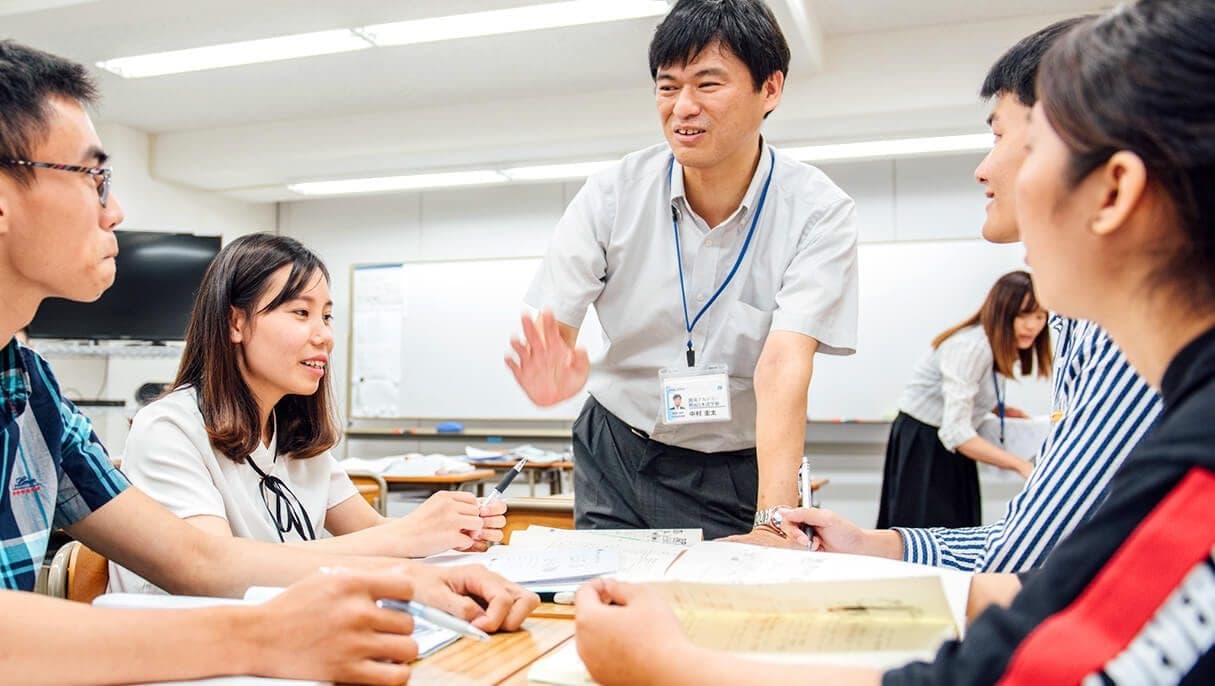
The right language school does not stop at grammar. Many of our partner schools offer career guidance and business Japanese classes, and some run a dedicated career or business track. There you practise writing your Rirekisho and handling job interviews, guided by teachers who know how Japanese companies hire.
4. You Gain Work Experience in Japan Before Working Full-Time
A student visa allows part-time work (arubaito) of up to 28 hours a week once Immigration grants permission. At a konbini, a restaurant, a hotel or a factory you learn the rhythm of Japanese work: punctuality, keigo with customers, and tidy teamwork.
That experience goes on your Rirekisho and shows straight away in an interview. Your part-time employer may even become the company that hires you.
Japanese companies don't only ask "can you speak Japanese?" but also "are you used to working in Japan?". The language-school route answers both.
5. Your Choice of Jobs Is Far Wider
From Indonesia, your choice is limited to vacancies opened to overseas applicants. In Japan, you can apply for domestic vacancies, attend job fairs for international students, and choose the city and the company that genuinely suit you, not just whatever happens to be open at the time.
6. Your Career Doors Stay Wide Open
A language school is not a dead end. After graduating, you can go into Tokutei Ginou, or continue to a vocational school (senmon gakko) or a university in Japan. Senmon gakko graduates can apply for the professional Gijinkoku work visa for work that matches their major, a route that from Indonesia usually requires a D3 or bachelor's degree.
What You Need to Prepare
This route is not for everyone, and we would rather you knew from the start:
- A higher upfront cost. There are school fees, living costs in Japan, and a sponsor's financial documents for the student visa. Arubaito helps with living costs, but don't make it your only way of paying for school.
- Some Japanese before you go. Language schools usually require JLPT N5 or 150 hours of study.
- Discipline while you study. Keep your attendance up and stay within the arubaito hour limit, because Immigration checks both when you apply to change to a work visa.
- Time. Intakes are usually April, July, October and January, and applications close months before classes begin. Start 8 to 12 months ahead.
Yes, this route takes longer before you work full-time. But all that time you are already living, studying and working in Japan, and that is exactly what makes the next step easier.
If the upfront funds are not there yet, preparing in Indonesia is still a good choice, and we guide that route too. But if you can, the language-school route is an investment you will feel throughout your career in Japan.
Where to Start
Tell our team where you stand: your current Japanese level, your budget, the field you are aiming for and when you want to leave. We will help you choose a language school with career support, work out the estimated cost with you, and map your steps all the way to the work visa. The consultation is free.