5 Unique Things About Japanese Culture That Will Amaze You

Have you ever watched a clip of a Tokyo street and quietly wondered, "How can it be that orderly, that polite, with nobody shouting?" That mix of awe and curiosity is completely normal. If you dream of studying or working in Japan, the real magic isn't the skyscrapers or the bullet trains. It's the small everyday details that look simple yet carry surprising depth.
And here's the good news: understanding these habits isn't just trivia to show off. It's your adaptation toolkit, the thing that helps you get accepted and respected by locals sooner. Let's walk through the five that stand out most.
Ojigi: Speaking Through a Bow
Ojigi is the art of bowing that conveys respect without a single word. In Japan, a bow does a lot of work at once, and the angle of your body carries meaning.
- A slight bow (around 15 degrees) for casual, everyday greetings.
- A medium bow (around 30 degrees) for more formal moments, like meeting a professor or a manager.
- A deep bow (around 45 degrees) for sincere apologies or heartfelt thanks.
You don't need to master it overnight. Japanese people understand you're a newcomer. What they appreciate is your effort to honour their way of doing things.
Omotenashi: Service Without Expecting Anything Back
Omotenashi is sincere hospitality that serves without expecting a reward. You'll feel it everywhere: a shop assistant who walks you to the door, hotel staff who remember a small detail, a taxi driver who opens the automatic door with a smile. It isn't a performance for a tip either, since tipping is essentially absent in Japan.
Omotenashi teaches that serving others is an honour, not a burden.
Clean Together, Even Without Bins
One thing that stuns newcomers: Japanese streets are remarkably clean, even though public bins are rare. The secret is simple. People are used to carrying their own rubbish home until they find the right place for it. Cleanliness is treated as a shared responsibility, not just the cleaners' job. Even schoolchildren regularly tidy their own classrooms.
Queuing and Respecting Other People's Time
Queuing in Japan is almost reflexive. People line up neatly on train platforms, wait their turn at the till, and rarely cut in. Underneath sits an important value: respecting other people's time matters as much as respecting your own. A train that's just one minute late may come with an apology announcement. If you're heading there to study or work, being on time isn't a formality, it's a form of respect.
Tradition and Technology, Side by Side
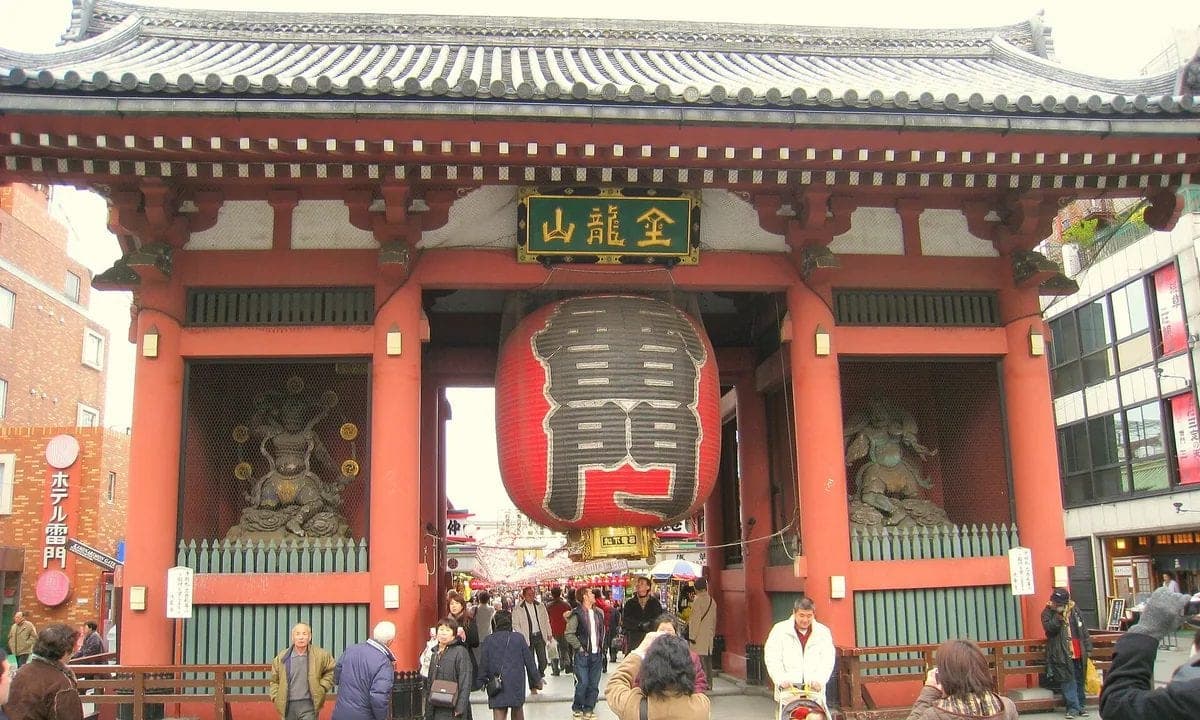
This might be the most enchanting paradox of all. On one hand, Japan has centuries-old temples, tea ceremonies, and kimono. On the other, there are robots, smart toilets, and some of the fastest trains in the world. What's striking is that neither pushes the other out. You can walk from a quiet temple lane straight into the screen-lit buzz of Shibuya crossing. That harmony between centuries-old tradition and cutting-edge technology is exactly what makes Japan feel both alive and deeply rooted.
Getting familiar with these five things early will make your transition far smoother. You won't just be a visitor passing through, but someone genuinely trying to respect their new home.
If you're starting to think seriously about studying, learning the language, or working in Japan and still aren't sure where to begin, have a chat with the Nakamura Study Japan team first. We're happy to help you map out realistic steps, one at a time, with no rush.