Why You Need JLPT N5 or 150 Study Hours Before Enrolling in a Japanese Language School
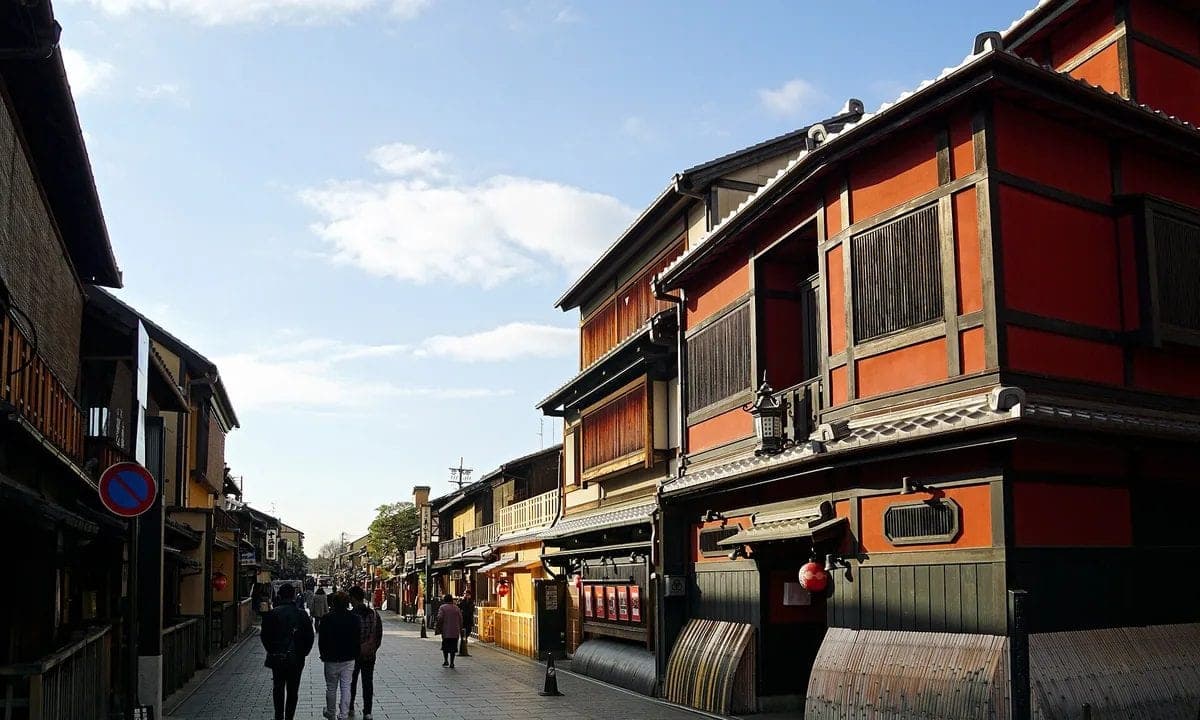
Photo: 663highland, CC BY 2.5, via Wikimedia Commons (cropped)
You have probably pictured your days in Japan already: taking the train to school, wandering under the cherry blossoms, maybe a part-time shift at a konbini. Then you open the language school's entry requirements and one line makes you stop: at least 150 hours of Japanese study, or a JLPT N5 certificate. It feels like a wall that appears out of nowhere, before you have even begun.
Take a breath. This requirement is not just immigration red tape meant to slow you down. It is actually one of the most sensible rules in the whole process, and once you understand the reasoning, you will be glad it exists.
Why Does This Rule Exist?
Picture your first day at a Japanese language school. Classes are taught entirely in Japanese. Your sensei will not translate into Indonesian or English. The method is called immersion, and it genuinely works, but only if you turn up with a foundation.
With no basics at all, those first weeks can feel like drowning. You sit in class, you hear sounds, but nothing lands. That is why Japanese immigration and the schools agree that applicants should prove they already have some starting capital. Put simply, the rule protects you from a class that would otherwise be far too heavy on day one.
What Do Those 150 Hours Actually Cover?
150 hours sounds like a lot, but not a single hour of it is wasted. Within that span you build the foundation you will lean on every single day:
- Hiragana and katakana until reading and writing feel fluent, not just memorised
- Basic kanji and how to read everyday signs
- Core grammar: particles, verb forms, and simple sentence patterns
- Vocabulary for real situations like shopping, asking directions, and introducing yourself
- The ability to catch and respond to slow, everyday conversation
This is precisely the JLPT N5 level, the most basic tier of the Japanese proficiency exam. So finishing 150 hours and passing N5 lead to essentially the same place.
150 Hours or JLPT N5, Which One?
Both are valid for your student visa. The difference is this: N5 is a certificate from an official exam held on limited dates, while the 150 hours are proven through a study-hours certificate from a recognised institution. For many students the 150-hour route feels more flexible, because you are not stuck waiting for one of the few JLPT exam dates each year.
What keeps you afloat in class is not the paper, but the real ability that comes with it.
If your schedule lets you chase N5 as well, that is a lovely bonus for your CV and your confidence.
When Should You Start?
Here is the good news: you can finish those 150 hours before you leave. And that is genuinely the best timing. You land in Japan not as someone completely lost, but as a student who can already read a menu, spell out station names, and greet a host family politely.
If you are aiming for an April, July, October, or January intake, count backwards several months so your study time feels comfortable. Cramming 150 hours while a visa deadline breathes down your neck is stressful. Learning calmly is far more effective, and it sticks for much longer.
How Can Nakamura Help?
This is exactly where Nakamura Study Japan's prep classes come in. Our programme takes you from absolute zero to an N5-equivalent level, and just as importantly, we issue the official study-hours certificate recognised for your student visa application. So you leave not only with knowledge, but with the document your file actually needs.
If you are still unsure where to begin, or which route best fits your target intake, just have a chat with our team first. We are happy to help map out your steps, with no rush and no pressure. What matters is that you head to Japan with a proper foundation, not just brave intentions.