Living in Japan as an Indonesian: What It's Really Like

You've probably watched hundreds of videos about Japan on social media: spotless trains, tidy streets, unfailingly polite people. But deep down there's one question that just won't go away—"If I actually lived there, would I be okay? What if I get lonely? What about food? What if I can't follow the language?" That feeling is completely normal, and almost every Indonesian who's now settled and happy in Japan once felt exactly the same way.
The good news: living in Japan as an Indonesian is absolutely doable, and often genuinely enjoyable—as long as you arrive with the right expectations and know what's waiting for you. So let's talk about it honestly.
Culture Shock in the First Few Weeks
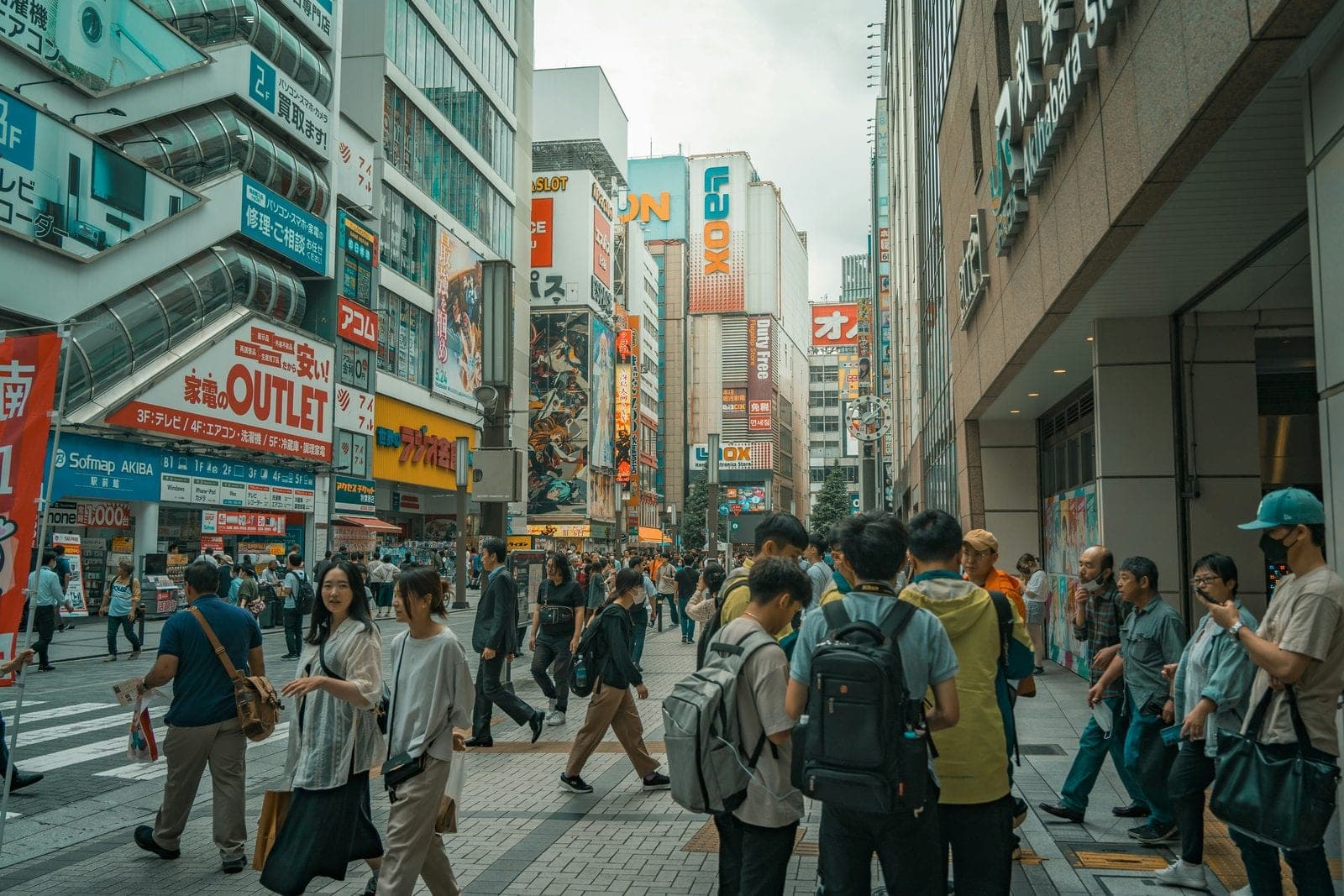
The first few weeks are usually a mix of awe and mild shock. Public transport runs punctual to the second, the streets are clean even though bins are hard to find (you carry your own rubbish home), and society genuinely values its rules. A few things that tend to catch newcomers off guard:
- Japanese people are often quiet and reserved with strangers—not unfriendly, just a different culture.
- There are plenty of unwritten social rules: how to queue, how to sort your rubbish, quiet hours in your apartment building.
- Everything is self-service—from paperwork to paying your own bills.
After a month or two, all of this starts to feel reassuring instead. The sense of safety, especially, is what Indonesians often end up appreciating most.
A Tight-Knit Indonesian Community
The most reassuring news for anyone afraid of loneliness: the Indonesian community in Japan is large and close-knit. There are student associations (PPI), regular religious gatherings, study circles, and get-togethers where everyone cooks rendang together. In big cities like Tokyo, Osaka, and Nagoya, you won't struggle to find a "second family".
Homesickness is real, but you're never truly alone in Japan.
This community is about far more than nostalgia—it's often your most practical source of information on finding part-time work, cheap apartments, and halal grocery stores.
Halal Food and Daily Essentials
This is the number-one question from many families. The answer: it's manageable. It does take a bit more effort than back home, but it's far easier than it was a few years ago. A few things worth knowing:
- Halal grocery stores (many run by Indonesians, Bangladeshis, or Pakistanis) exist in the major cities, and plenty sell online too.
- Cooking for yourself is the key—it's cheaper, and you keep full control over your ingredients.
- Community apps and groups usually maintain lists of safe restaurants and products.
As for worship, mosques and prayer rooms keep growing in number, and many campuses provide prayer spaces. Ramadan can be tough because summer daylight hours are long, but communities usually organise group iftars to break the fast together.
Living Costs and Financial Reality
Japan isn't cheap, but it's also not as terrifying as it looks. Rent, transport, and food are the biggest expenses. If you come as a student, part-time work rules allow up to 28 hours per week (with more leeway during long holidays), which goes a long way towards covering your living costs. The key: build a budget from day one, pick sensible housing, and don't be shy about cooking your own meals. Plenty of Indonesians live comfortably with careful management.
The Key to Settling In: Expectations and Preparation
What separates the people who thrive from those who give up usually isn't talent—it's preparation. Arriving with basic Japanese (at least reading hiragana and katakana and holding a simple conversation) makes daily life far smoother. Arriving with realistic expectations—that there will be hard days, and that's normal—means you won't be blindsided when they come.
If you're weighing up studying, learning the language, or working in Japan and your head is still full of question marks, have a chat with the Nakamura Study Japan team first. We've helped many Indonesians through this journey from scratch, and the first consultation is free. There's no harm in talking it through before you make a big decision.