
Language:
Booking Now!
Halo 👋, selamat datang di Nakamura Study Japan! Ada yang bisa saya bantu hari ini?
Close X
May 17, 2025
Whether you’re heading to Japan for a short study trip, a long-term language course, or a once-in-a-lifetime vacation, you simply can’t skip the country’s three most iconic cities: Tokyo, Osaka, and Kyoto. Each city offers a different face of Japan—from ultramodern skyscrapers to ancient temples and mouth-watering street food.
Tokyo is more than just a city—it’s a universe of its own. From futuristic towers to historic shrines, Tokyo is where tradition meets innovation.
Known as “the world’s busiest pedestrian crossing,” Shibuya is a must-see. Watch as hundreds of people cross the street from all directions in perfect harmony. Don't forget to visit the famous Hachiko statue nearby.
This is where you can experience Tokyo’s old soul. Visit Senso-ji, the oldest temple in Tokyo, and walk down Nakamise Street, lined with traditional snacks, souvenirs, and yukata shops.
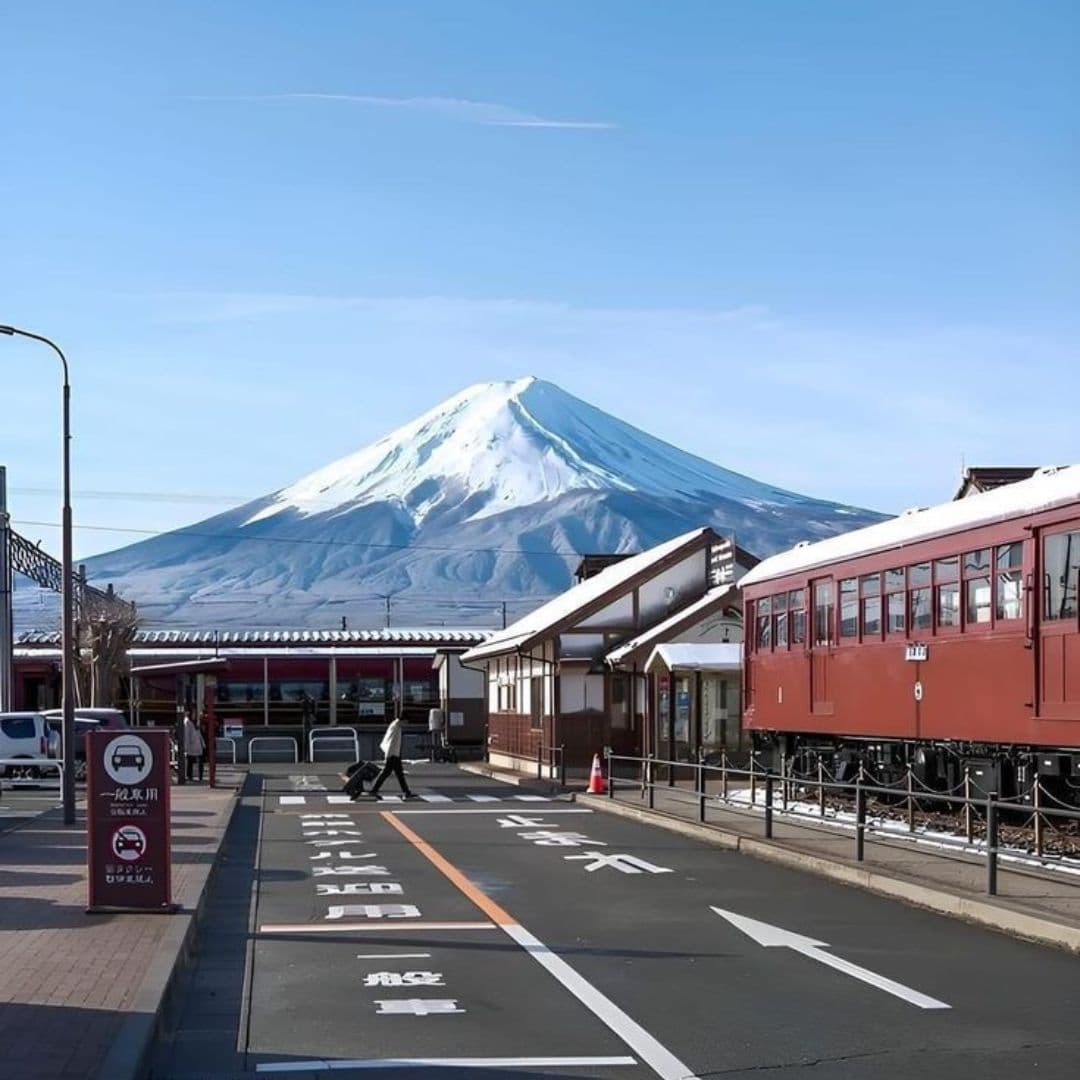
At 634 meters, it’s the tallest structure in Japan. Go up for a panoramic view of the entire city—and even Mt. Fuji on clear days.
The epicenter of youth culture and fashion. Try colorful crepes, shop for kawaii accessories, and spot cosplay fans on weekends.
A futuristic man-made island with shopping malls, entertainment complexes, and the famous teamLab Borderless digital art museum.
Osaka is known for its food, humor, and warm, friendly people. If Tokyo is Japan’s brain, Osaka is its heart and stomach.
This riverside street is lit with neon signs and packed with food stalls. Try takoyaki (octopus balls), okonomiyaki(savory pancake), and take a photo in front of the Glico Man billboard.
One of Japan’s most famous historical landmarks. Surrounded by cherry trees, it's especially beautiful in spring. Inside, there's a museum about the history of feudal Japan.
Located in the Bay Area, USJ is a thrill for all ages. From Harry Potter to Minions, it’s a day of unforgettable rides and shows.
Known as “Osaka’s kitchen,” this market is a paradise for food lovers. You can find wagyu beef skewers, grilled seafood, fresh sushi, and traditional sweets.
An architectural marvel with a floating garden observatory. Head up at sunset for a breathtaking view of Osaka’s skyline.
Kyoto is the heart of traditional Japan. If you dream of seeing geisha, temples, and gardens—this is the place.
Walk through thousands of red torii gates that stretch through the forested hills. It’s one of Japan’s most iconic sights and open 24/7.
A tranquil escape from the city. Stroll through towering green bamboo stalks and visit the nearby Togetsukyo Bridge and monkey park.
A Zen temple covered in gold leaf, reflecting perfectly in the surrounding pond. It’s postcard-perfect in all seasons.
Explore Kyoto’s geisha district with preserved wooden streets, lantern-lit alleyways, and traditional teahouses. You may spot a maiko (apprentice geisha) walking to her appointment.
Built on a hillside, this UNESCO World Heritage Site offers panoramic views of Kyoto. Don't miss the “love stones” in the Jishu Shrine for fun romantic fortune.
Each city offers its own charm: Tokyo for futuristic thrills, Osaka for food and fun, and Kyoto for cultural beauty. Whether you’re a student on a short-term study trip or someone preparing for long-term life in Japan, visiting these three cities will give you a well-rounded experience of what Japan is truly about.
At Nakamura Study Japan, we offer study trips and travel packages that include visits to Tokyo, Osaka, and Kyoto—complete with school tours, cultural experiences, and expert guidance. Ready to explore?

International students in Japan are absolutely allowed to work part-time! However, you must have an official permit from Japanese Immigration called Shikakugai Katsudō Kyoka, With this permit, you can work, A maximum of 28 hours/week during semesters, A maximum of 40 hours/week during long holidays.

The term system in Japanese language schools divides the academic year into several study periods (terms), usually lasting 3-4 months each. Each term focuses on specific material and ends with evaluations or exams. This system helps students learn in a structured way, track their progress, and allows curriculum adjustments based on their needs.

For anyone who wants to study, work, or live in Japan, Japanese language proficiency is a key requirement. One of the most recognized ways to measure this ability is through the JLPT (Japanese Language Proficiency Test). But what exactly are the differences between levels N5 to N1, and which level should you aim for based on your goals?

Japan has become a popular destination for international students, and there are many reasons why studying in Japan can be more advantageous compared to other countries. Here are a few reasons why Japan is a great choice for your studies:

Arriving in Japan for the first time can be an exciting experience—but also a bit overwhelming. Many students and newcomers go through culture shock, a feeling of confusion or discomfort caused by the big differences between your home country and Japanese culture. From communication style, daily habits, food, to unspoken social rules—everything can feel unfamiliar