Language:
Booking Now!
Halo 👋, selamat datang di Nakamura Study Japan! Ada yang bisa saya bantu hari ini?
Close X
June 7, 2025
A complete guide for international students to navigate Japan’s efficient, fast, and punctual train system. Learn about train types, how to use IC cards, essential train etiquette, and tips to avoid rush hours—all in one practical guide!
One of the biggest advantages of living in Japan is its super-efficient , punctual , and comfortable train system. For international students, understanding how the train system works is essential for daily life—whether you're heading to school, shopping, or exploring.
Here's your complete guide!
Types of Trains in Japan
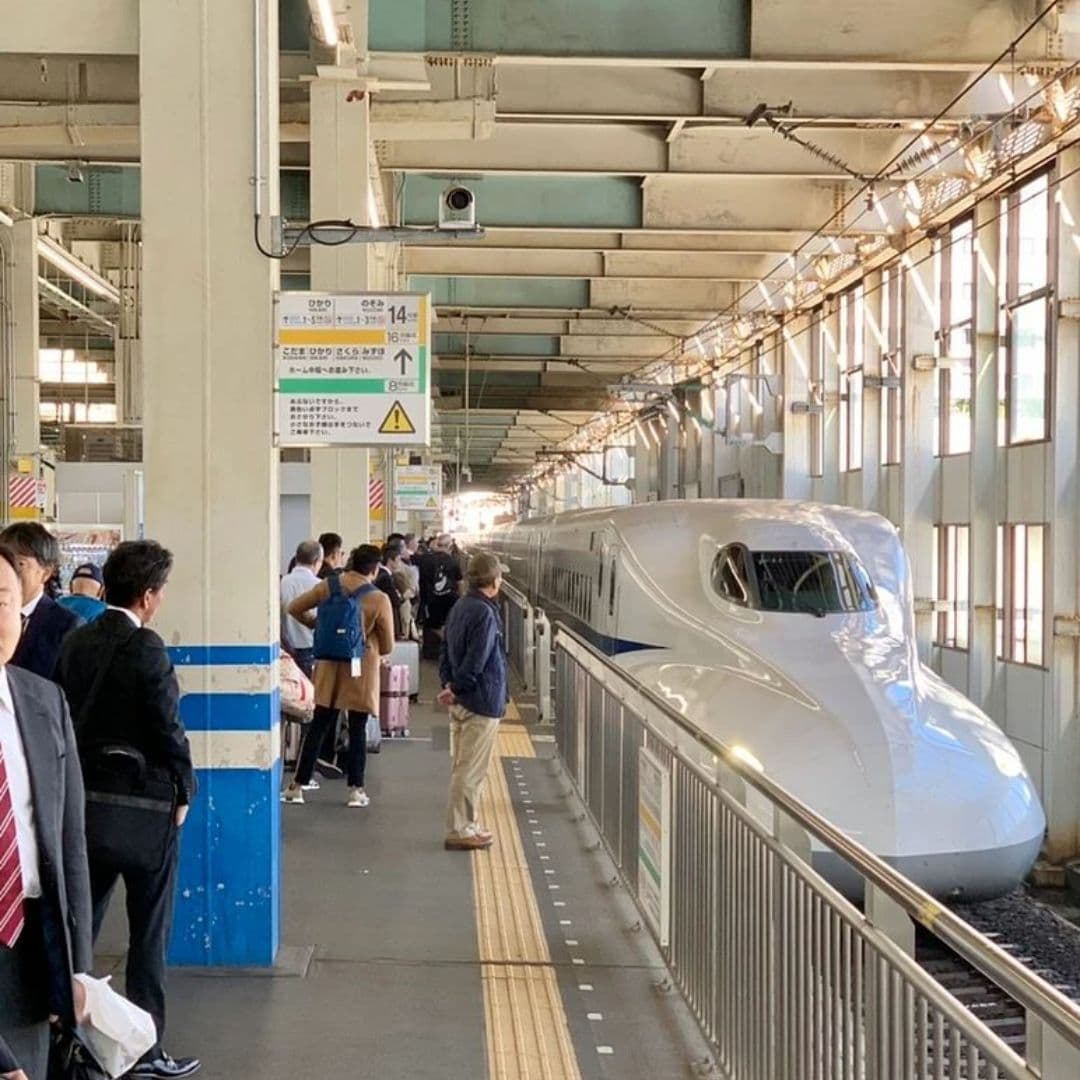
Shinkansen (Bullet Train): Perfect for intercity travel like Tokyo–Osaka. Very fast and comfortable
Local Trains: Used daily within cities. Popular among students and workers
Limited Express / Express: Faster than local trains, stopping only at selected stations
Subway (Metro): Found in major cities like Tokyo and Osaka. Very convenient for city travel
Ultra Punctual
Trains in Japan are known for being incredibly on time—almost 100%! A 1-minute delay can be taken seriously, so arrive 5–10 minutes before your departure
IC Cards: Suica & Pasmo
Students commonly use IC cards such as Suica, Pasmo, or ICOCA for easy access to trains and buses. They can also be used for shopping at convenience stores and vending machines Rechargeable and super handy
Student Discount Tickets
With a commuter pass (定期券 / teikiken), you can get discounted monthly transport from home to school A great way to save for students who ride regularly
Train Navigation Apps
Apps like Google Maps, NAVITIME, and Japan Transit Planner are very useful for finding the fastest routes, checking timetables, and viewing fares
Train Etiquette in Japan
Don't talk loudly
Set your phone to silent mode
Avoid eating or drinking on local trains
Offer seats to the elderly and people with disabilities
Watch Out for Rush Hours and Last Trains
Rush hours: Around 7:00–9:00 AM & 5:00–7:00 PM
Last trains: Usually between 11:30 PM–12:00 AM (depends on the line)
Conclusion
Japan’s train system is one of the best in the world—clean, safe, and super reliable For international students, it’s a major reason why living in Japan becomes easier and more enjoyable.
Want to study in Japan and need complete guidance—from visas to daily life tips?
Contact Nakamura Study Japan—we’ll support you every step of the way to Japan!

Mastering the Japanese language before going to Japan is a crucial step that should not be overlooked, especially for those who plan to stay for a long period—whether for studying , working , or internships .Language is not just a tool for communication; it is also the key to unlocking a deeper understanding of culture, ethics, and everyday life in Japan.

A Professional Career Opportunity in Japan Many Indonesians dream of working in Japan, especially in professional fields. One of the most common and legal ways to work in Japan is through the Engineer/Specialist in Humanities/International Services visa, also known as the Gijinkoku Visa (技人国ビザ).

Many people dream of working and living in Japan, but not everyone knows the realistic path to make it happen. Raka is a real-life example — from knowing zero Japanese, he became an IT Consultant in Japan under a professional visa (Engineer/Specialist). His journey wasn’t instant, but it's a path anyone can follow.

When people talk about Japan, one thing that often stands out is the transportation system. From the world-famous bullet trains to clean and reliable local buses, getting around in Japan is smooth and stress-free.

Japan is not only known for its advanced technology and unique traditional culture, but also for its many interesting places to visit—perfect for taking a short break from your study routine