
Language:
Booking Now!
Halo 👋, selamat datang di Nakamura Study Japan! Ada yang bisa saya bantu hari ini?
Close X
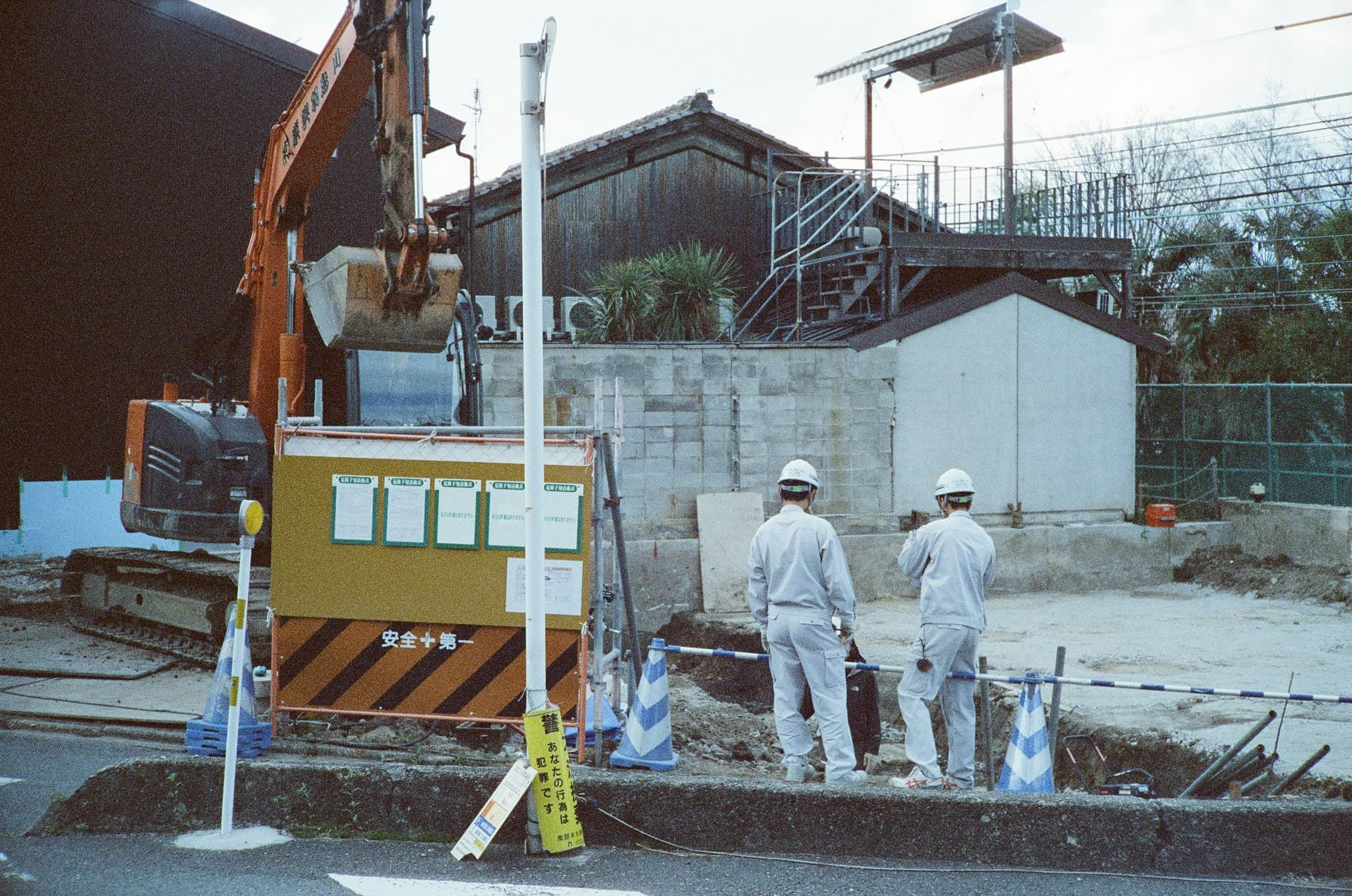
The Civil Construction Program at Nakamura Study Japan supports participants who want to work in Japan as skilled construction workers according to Japanese standards, helping them pass the Tokutei Ginou (SSW) skill test, and providing assistance with job matching and visa processing until their departure to Japan.
Civil Construction in the context of Japan's Specified Skilled Worker (SSW) program refers to jobs involving building and maintaining infrastructure such as roads, bridges, dams, water supply systems, and residential or commercial buildings. It is a vital sector that supports Japan’s development and disaster resilience.
Pros of our Civil Construction Program:
Can work in Japan directly without needing a bachelor’s degree
Requirements to enter Civil Construction Program:
Minimum age of 18 years old
At least a high school (SMA/SMK) graduate or equivalent
Physically and mentally healthy (no infectious diseases or serious health conditions)
No criminal record
The civil construction industry in Japan is a cornerstone of the country’s economy and public safety. With Japan’s frequent natural disasters such as earthquakes and typhoons, there is a constant demand for skilled construction workers to build and maintain earthquake-resistant structures, repair damaged infrastructure, and support urban development projects.
Construction work is highly respected in Japan due to its direct contribution to society and safety.
Construction sites in Japan are known for their cleanliness, strict safety protocols, advanced technology, and professionalism. Workers are well-trained and given proper protective equipment, ensuring a secure and efficient working environment.
At Nakamura Study Japan, we provide full support for individuals who aspire to pursue a career in Japan’s civil construction sector. We partner with established and trusted construction companies that are officially registered and recognized by the Japanese government, ensuring every participant’s work placement is legal and safe.
Participants in our construction program will undergo document screening and an initial interview with Nakamura Study Japan. Once they pass, they will proceed to a final interview with one of our Japanese partner companies. Successful candidates will receive a job offer before beginning their preparatory training.
Our training program equips participants with essential Japanese language skills and civil construction knowledge. It includes:
– Japanese language classes aiming for JFT-Basic A2 or JLPT N4 level.
– Construction skills preparation to pass the official SSW civil construction exam (including basic safety, material handling, blueprint reading, etc.).
After completing training and passing all required exams, participants will prepare for departure. We assist with job matching, visa applications, provide pre-departure orientations, and help arrange accommodation in Japan. Upon arrival, our partner companies and local support networks will guide and assist them in adapting smoothly to their new workplace and life in Japan.
Through Nakamura Study Japan, you can build a meaningful career in Japan’s civil construction industry, gain international experience, and bring valuable technical skills back to your community in the future. We are committed to guiding you step by step until you achieve your dream of working in Japan’s construction sector.
Language Preparation (9 months):
Study Japanese until passing JFT Basic A2 or JLPT N4 and the civil construction (SSW) skill test.
SSW Exam Preparation (1 month):
Study and prepare for the SSW civil construction skill exam.
Document Preparation (1 month):
Prepare documents, and get ready for interview and CV preparation.
Job Matching (2 months):
Submit your CV to Japanese companies for job matching with available vacancies.
Interview (2 months):
After passing document screening, there will be direct interviews with Japanese companies.
Pre-Departure Preparation (1 month):
After being accepted, visa processing, flight tickets, and accommodation arrangements will be completed before departure.
Due to the shortage of local civil construction workers becoming a pressing issue in Japan, the Japanese government has opened opportunities for foreign workers through the Specified Skilled Worker (SSW) visa program. This visa allows international construction workers to work legally in Japan for up to five years, with the same rights, salaries, and benefits as Japanese staff.
Yes, Japanese ability is required. For Tokutei Ginou, a minimum of JLPT N4 or JFT A2 is needed; for Gijinkoku, at least JLPT N2. You can study Japanese through Nakamura Study Japan’s language courses before applying.
The Work in Japan program helps Indonesian participants prepare and start their careers in Japan through language training, skill certification, and job placement support under official Japanese visas such as Gijinkoku or Tokutei Ginou atau Business Manager.
You can contact Nakamura Study Japan via WhatsApp at +62 815-600-6060 or fill out the online registration form.
Don’t forget to send your CV, and our team will assess your skills and assist you through training, document preparation, and job placement with Japanese companies.
For the Tokutei Ginou program, we offer job placements in fields such as caregiving, hospitality, construction, food manufacturing, and more.
For the Gijinkoku program, job opportunities include IT, engineering, marketing, design, and business-related positions, depending on your language proficiency and technical background.
For Tokutei Ginou applicants, Nakamura Study Japan collaborates with official receiving organizations (RSOs) in Japan that provide continued support such as housing assistance, orientation, and workplace guidance.
For Gijinkoku and Business applicants, Nakamura Study Japan offers pre-departure orientation and accommodation support to help prepare for work and life in Japan.
The program is open to anyone aged 18–35 years old who has completed high school or higher education and wants to work in Japan. Japanese language ability (JLPT or JFT) is required, but training is available for beginners.
For the Gijinkoku program, participants must be university graduates (Bachelor’s degree) and have a minimum JLPT N2 certificate.
For the Tokutei Ginou program, participants must be high school graduates or equivalent, have a JFT A2 or JLPT N4 certificate, and pass a skill test related to