
Language:
Booking Now!
Halo 👋, selamat datang di Nakamura Study Japan! Ada yang bisa saya bantu hari ini?
Close X

June 11, 2025
International students in Japan are absolutely allowed to work part-time! However, you must have an official permit from Japanese Immigration called Shikakugai Katsudō Kyoka, With this permit, you can work, A maximum of 28 hours/week during semesters, A maximum of 40 hours/week during long holidays.
Part-Time Jobs in Japan for International Students: Work Permit, Salary, and Job Options
International students in Japan are allowed to work part-time, but only with official permission from Japanese Immigration, known as the Shikakugai Katsudō Kyoka (Permission to Engage in Activity Other Than That Permitted by the Status of Residence). With this permit, students can legally work:
Up to 28 hours per week during the academic term
Up to 40 hours per week during long vacations
Part-time work is not only a good way to earn extra money but also a valuable opportunity to improve your Japanese and gain cultural experience.
Average Part-Time Salary in Japan
Part-time jobs in Japan are paid hourly (jikyū). The average rate varies depending on the location:
In Tokyo and other large cities: around ¥1,100 – ¥1,300 per hour
In smaller towns or rural areas: around ¥900 – ¥1,100 per hour
For example, if you work 28 hours per week at ¥1,100/hour, you could earn approximately ¥123,000 per month—enough to cover basic living expenses with a modest lifestyle.
Popular and Legal Part-Time Jobs for Students
There are many job options that are legal, beginner-friendly, and suitable for international students, such as:
Restaurants and Cafes – Working as a server, kitchen staff, or dishwasher. Great for practicing Japanese conversation.
Convenience Stores (Konbini) – Cashier or shelf stocking. These jobs are widely available.
Light Factory Work – Packing or sorting goods. Ideal for those with limited Japanese skills.
Cleaning Staff – Cleaning offices or hotels. Physically demanding but stable in pay and hours.
Event Staff or Promoter – Assisting at events or concerts. Flexible and often enjoyable.
Language Tutor or Teaching Assistant – Teaching English or Indonesian. Higher hourly rates than average.
Warehouse or Courier Staff – Sorting and delivering packages, especially during busy seasons.
Basic Requirements to Work Legally
To qualify for a part-time job in Japan, students must:
Be at least 18 years old and hold a valid student visa
Have obtained a work permit from immigration
Possess basic Japanese language skills
Hold a Zairyū Card (residence card) and a Japanese bank account
Be punctual, responsible, and have a strong work ethic
Tips for a Successful Part-Time Work Experience
Choose a job that won’t interfere with your studies—your education should always come first
Use the job as an opportunity to practice and improve your Japanese
Look for job opportunities through your school, student communities, or with the help of Nakamura Study Japan
Avoid illegal jobs (e.g., nightlife or adult entertainment) as these could result in legal consequences or deportation
Working part-time in Japan offers more than just income. It’s a chance to grow, adapt to a new culture, and gain real-world experience. Many international students are able to support their daily living expenses while studying and learning the language.
Want to learn more about studying and working in Japan? Get a free consultation with the Nakamura Study Japanteam and start your journey with the right guidance.
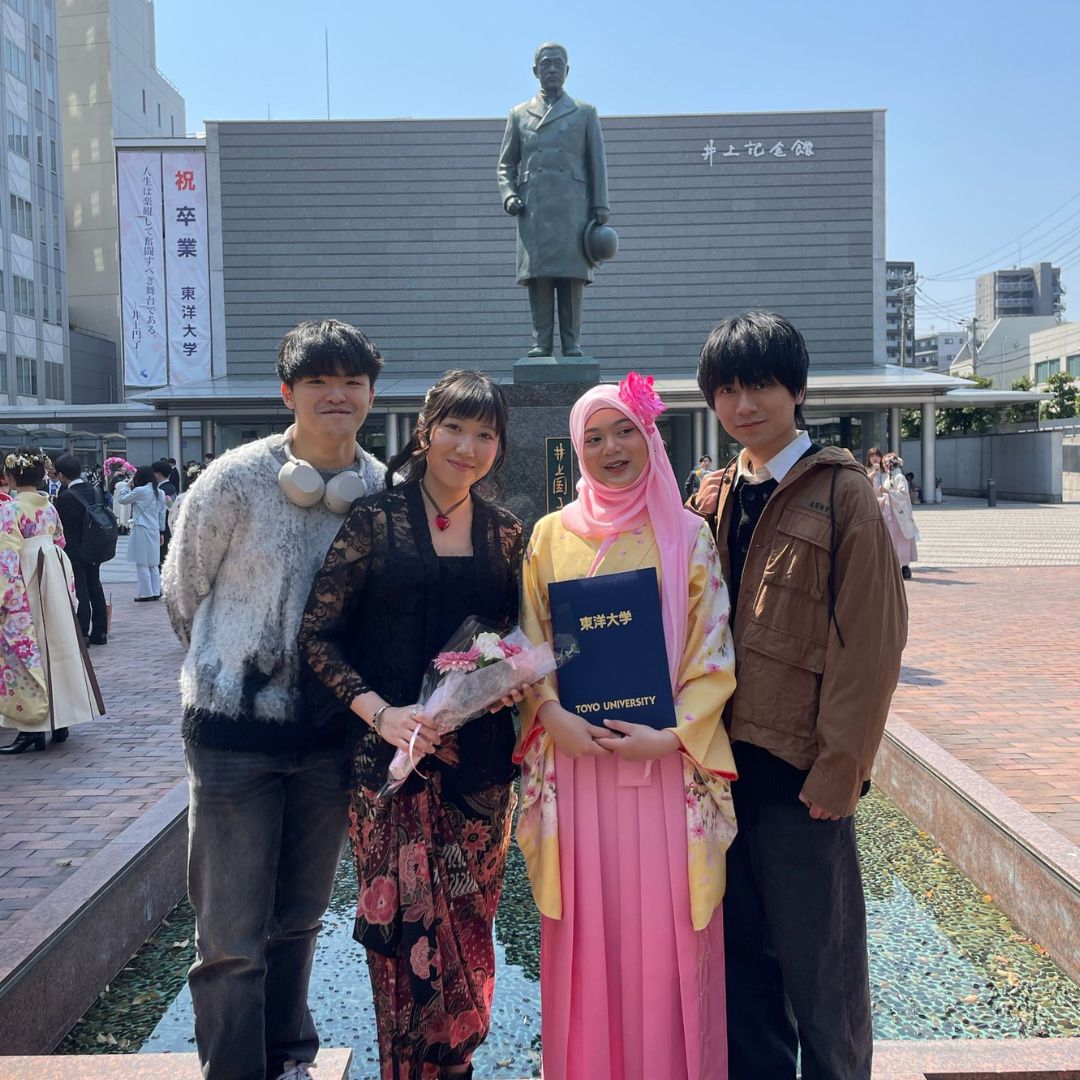
Japan offers various education paths after high school, including language schools, vocational programs, and universities. With proper preparation, you can choose the right route to achieve your dream of studying and building a career in Japan.

Mastering the Japanese language before going to Japan is a crucial step that should not be overlooked, especially for those who plan to stay for a long period—whether for studying 📚, working 💼, or internships 🤝.Language is not just a tool for communication; it is also the key to unlocking a deeper understanding of culture, ethics, and everyday life in Japan. 🗝️🌏

Heard about JLPT and JFT but not sure which one to take? This article breaks down the key differences between these two Japanese language tests—covering their purpose, format, and who they’re for. Perfect for anyone planning to study or work in Japan
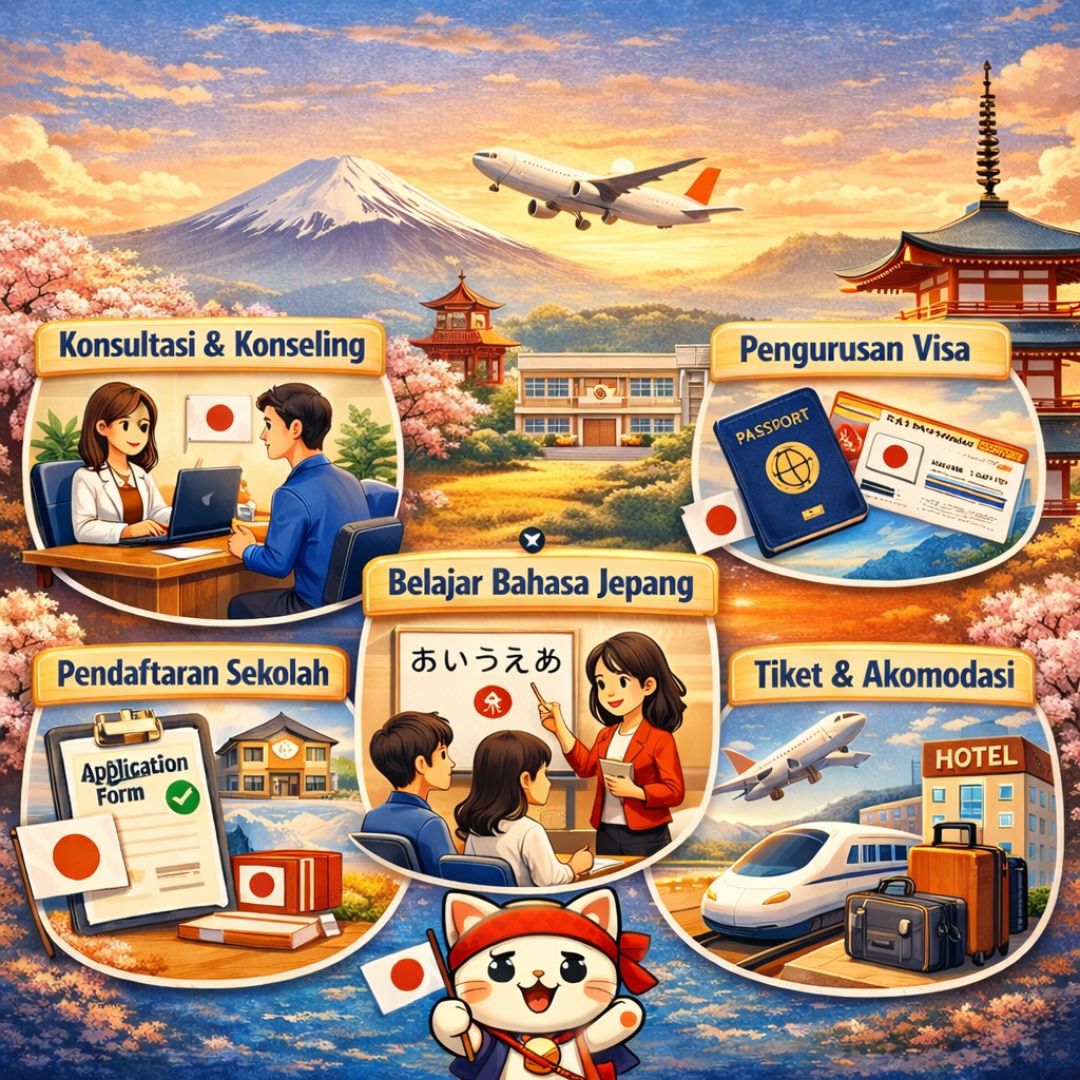
Japan is not only known for its advanced technology and unique traditional culture, but also for its many interesting places to visit—perfect for taking a short break from your study routine
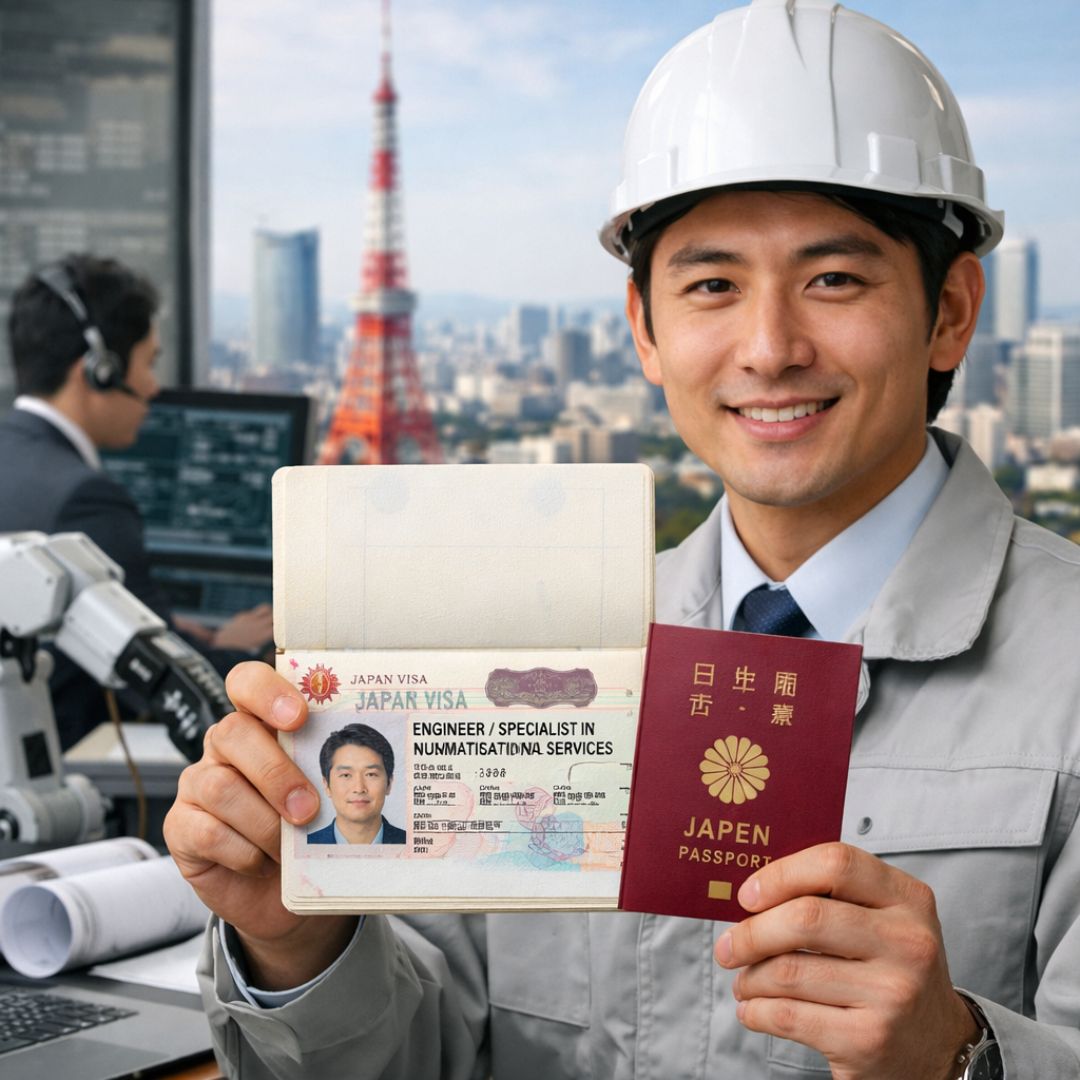
Many people think that working in IT in Japan requires advanced coding skills, a university degree, and years of experience. But the truth is, there are plenty of IT jobs in Japan that are accessible even if you’re not yet “highly skilled.”