Language:
Booking Now!
Halo 👋, selamat datang di Nakamura Study Japan! Ada yang bisa saya bantu hari ini?
Close X
June 9, 2025
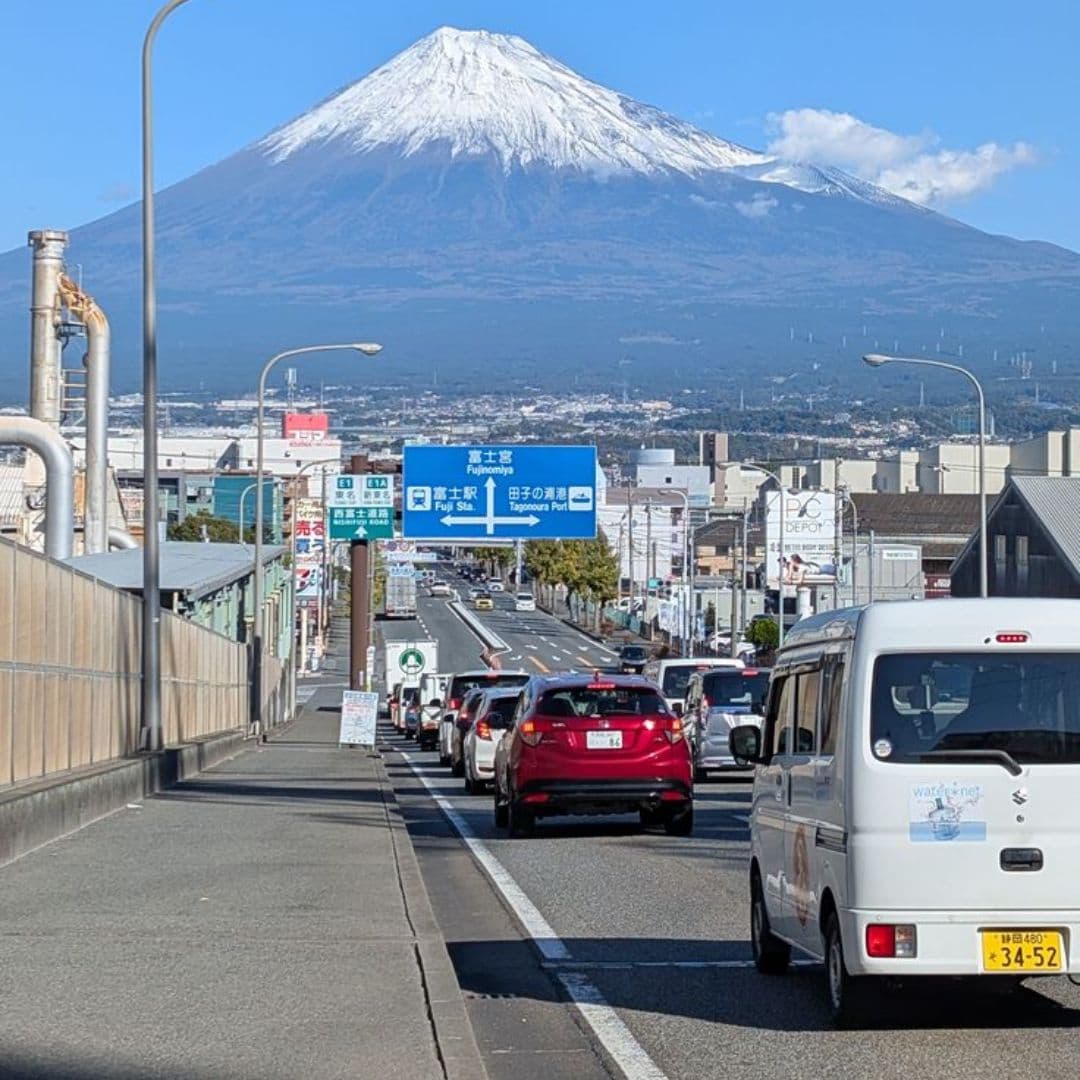
When people talk about Japan, one thing that often stands out is the transportation system. From the world-famous bullet trains to clean and reliable local buses, getting around in Japan is smooth and stress-free.
If you're planning to study or live in Japan, understanding how the transport system works will be super helpful. Don’t worry—everything is organized, efficient, and easy to use. Let’s go through it together
Trains: The Heart of Japanese Transportation
In Japan, trains aren’t just for travel—they’re a part of daily life. Most cities, towns, and even rural areas are connected by an extensive railway network. There are several types of trains, such as:
JR (Japan Railways): covers many regions across Japan
Local and subway trains: ideal for getting around within cities
Shinkansen (bullet train): super fast and incredibly punctual
The best part? Japanese trains are almost never late. Even a few seconds of delay is taken seriously
Ticket Prices: Affordable If You Know the Tricks
At first glance, some transport costs in Japan—especially for the bullet train—can seem pricey. But there are smart ways to save:
IC Cards (like Suica or Pasmo): prepaid cards that make travel easy and sometimes offer small discounts
Japan Rail Pass: great for tourists or students who plan to travel between cities
Student commuter passes: many schools offer discounted rates for specific routes
With the right planning, transportation in Japan can be both budget-friendly and super convenient

More and more Indonesians are choosing Japan as a place to study, work, or even settle down. With a strong economy, clean cities, and deep culture, Japan is an attractive destination. But what is it actually like to live there as an Indonesian? Here’s what you need to know—from the challenges to the beautiful parts of the journey.

For anyone who wants to study, work, or live in Japan, Japanese language proficiency is a key requirement. One of the most recognized ways to measure this ability is through the JLPT (Japanese Language Proficiency Test). But what exactly are the differences between levels N5 to N1, and which level should you aim for based on your goals?

Japan offers world-class education, a safe environment, global career opportunities, and a unique cultural experience. With various scholarships and international programs available, studying in Japan can open many doors for a brighter future.

Japan offers various education paths after high school, including language schools, vocational programs, and universities. With proper preparation, you can choose the right route to achieve your dream of studying and building a career in Japan.

Mastering the Japanese language before going to Japan is a crucial step that should not be overlooked, especially for those who plan to stay for a long period—whether for studying , working , or internships .Language is not just a tool for communication; it is also the key to unlocking a deeper understanding of culture, ethics, and everyday life in Japan.